
It’s Lunes de Pascua (Easter Monday) as well as our last night in Spain.
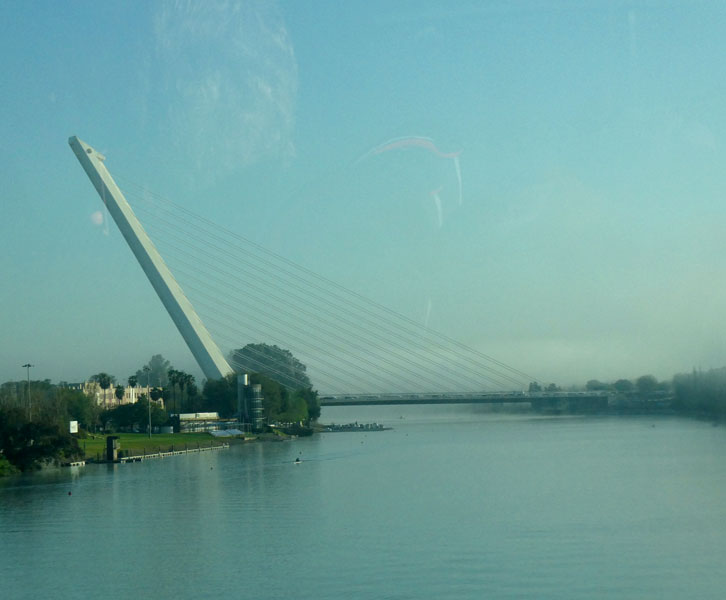
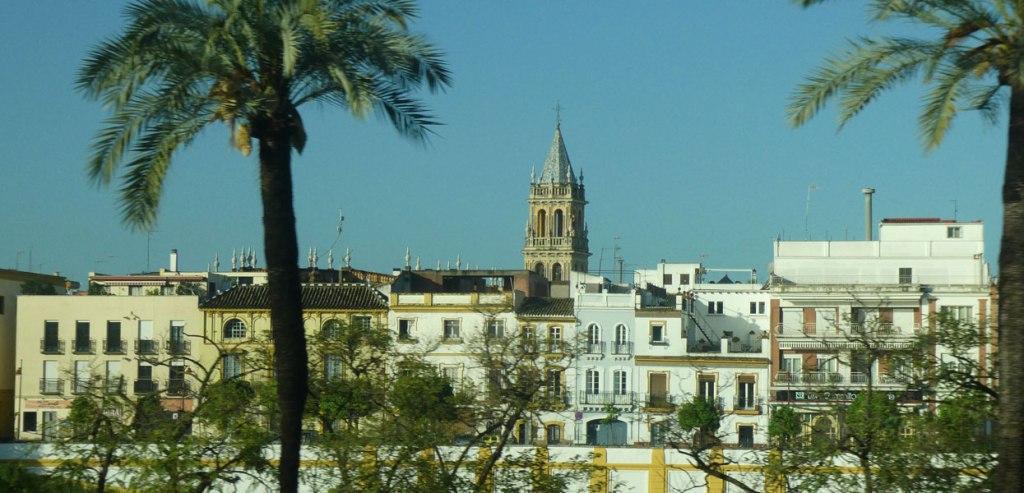
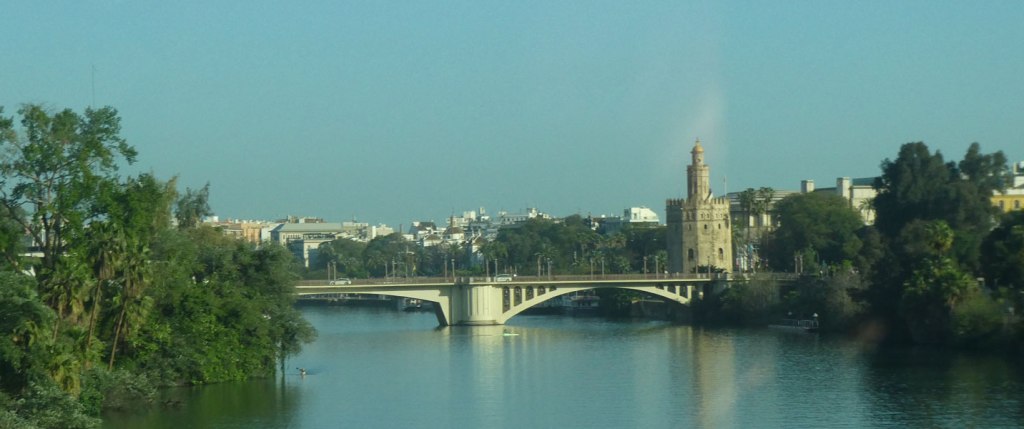
The day started with the requisite bus tour around Seville en route to our destination, the Plaza de Espagñe. Along the way, we were driven across a bridge onto Isla de la Cartuja, an island in the Guadalquivir River that was the site of Seville’s Expo’92. This exposition was held to celebrate the 500th anniversary of Columbus bumping into the Americas.
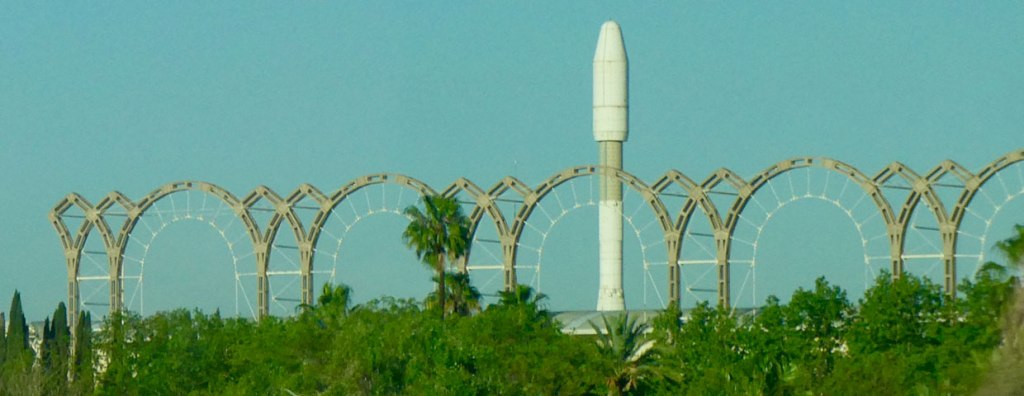
After the expo ended, many of the pavilions were dismantled; a few were repurposed; and much of the space was divided between a research park and an amusement park, Isla Mágica. But, from the bus windows, there seemed to be a lot of abandoned decrepit structures that could have been plucked from a “Life After People” episode. Even the amusement park seemed a little sketchy and run-down. (Too much rust…too little paint.) But that impression could be because our perspective was from a moving vehicle. Plus the park wasn’t fully open for the season yet.
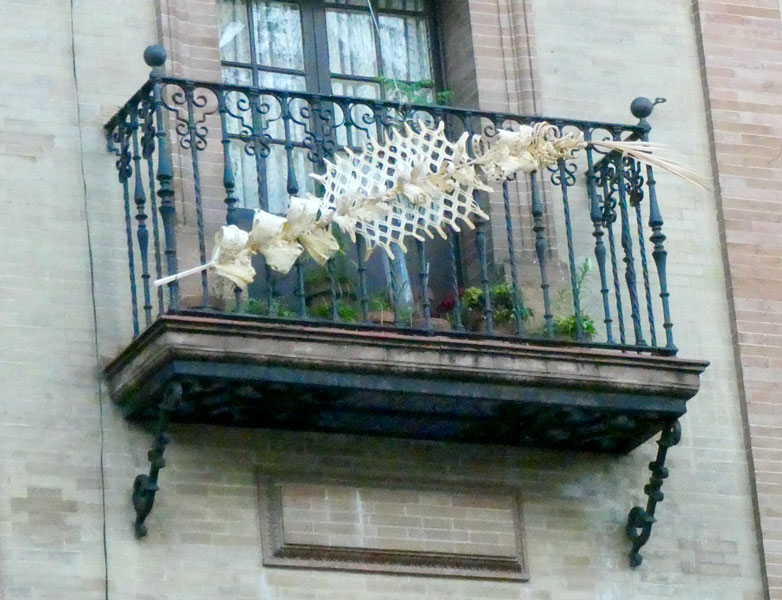
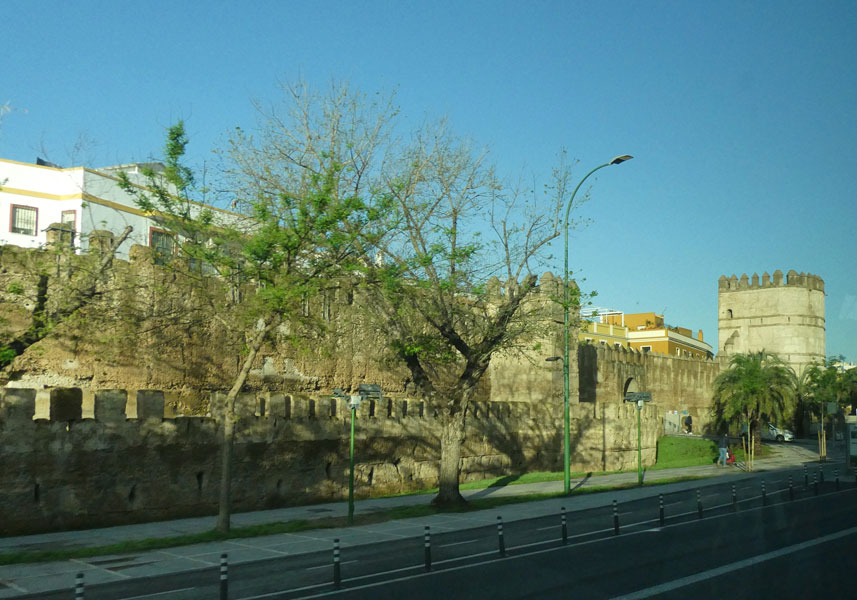
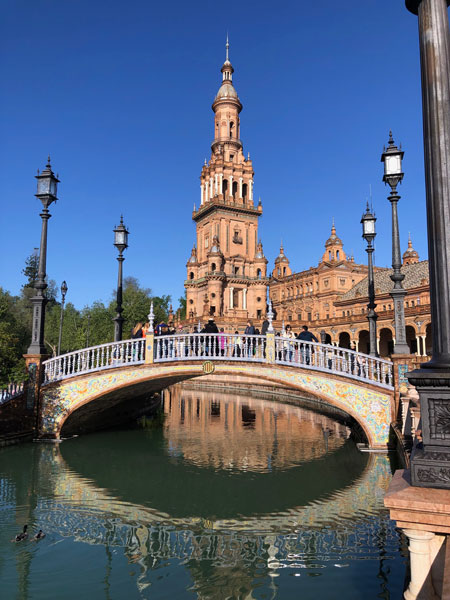
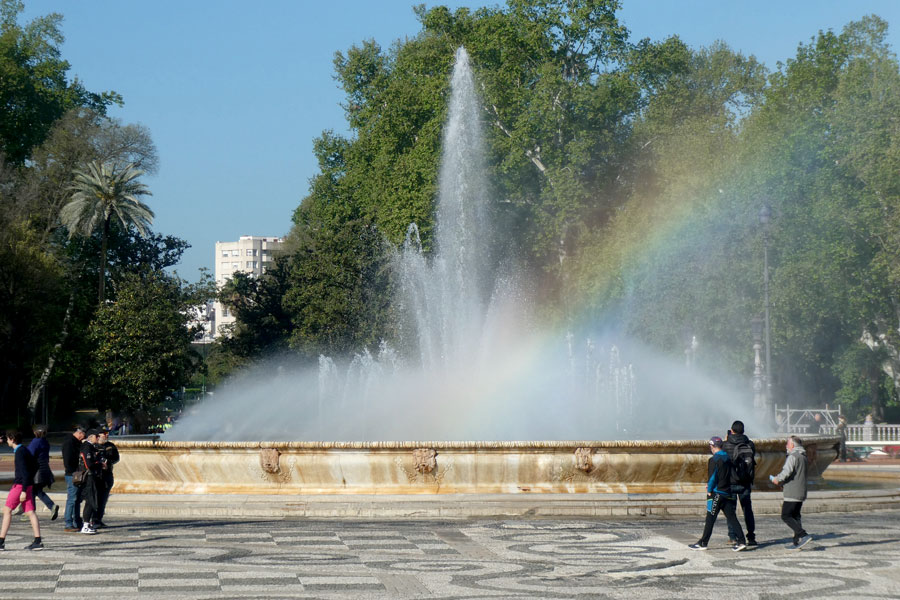
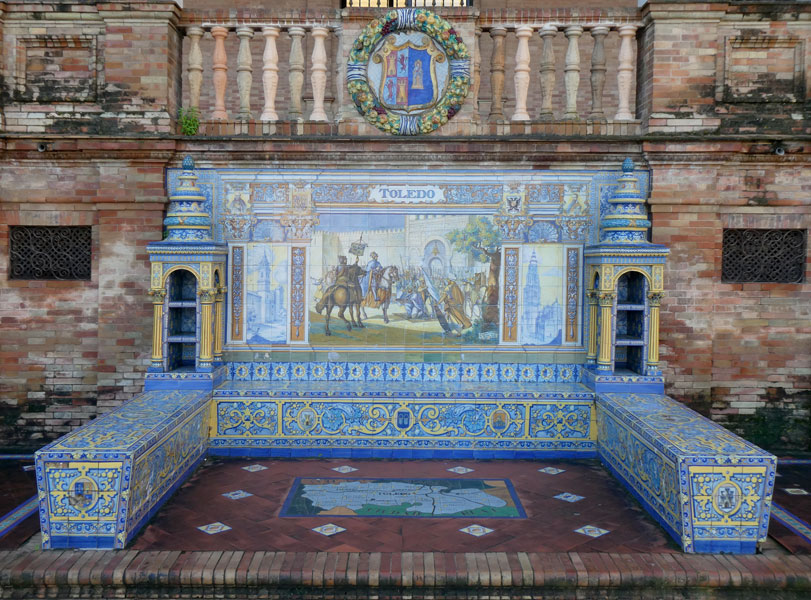
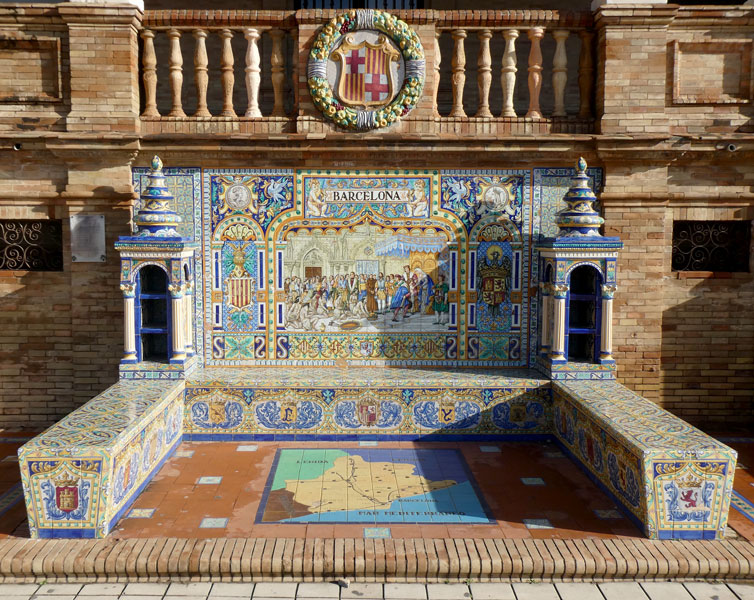
Upon arrival, there were some issues getting in to the park, Parque de María Luisa, where the Plaza de Espagña is located. By law, after strong wind storms, many of the parks in Seville are closed to the public for a few days while the old trees are checked for stability and safety. We had to detour around and enter through the central pavilion which, I must say, was a pretty impressive way to take in this grand space. The whole ensemble was constructed for the Ibero-American Exposition of 1929 to showcase Spanish technology and industry. Now, the buildings are used as government offices.
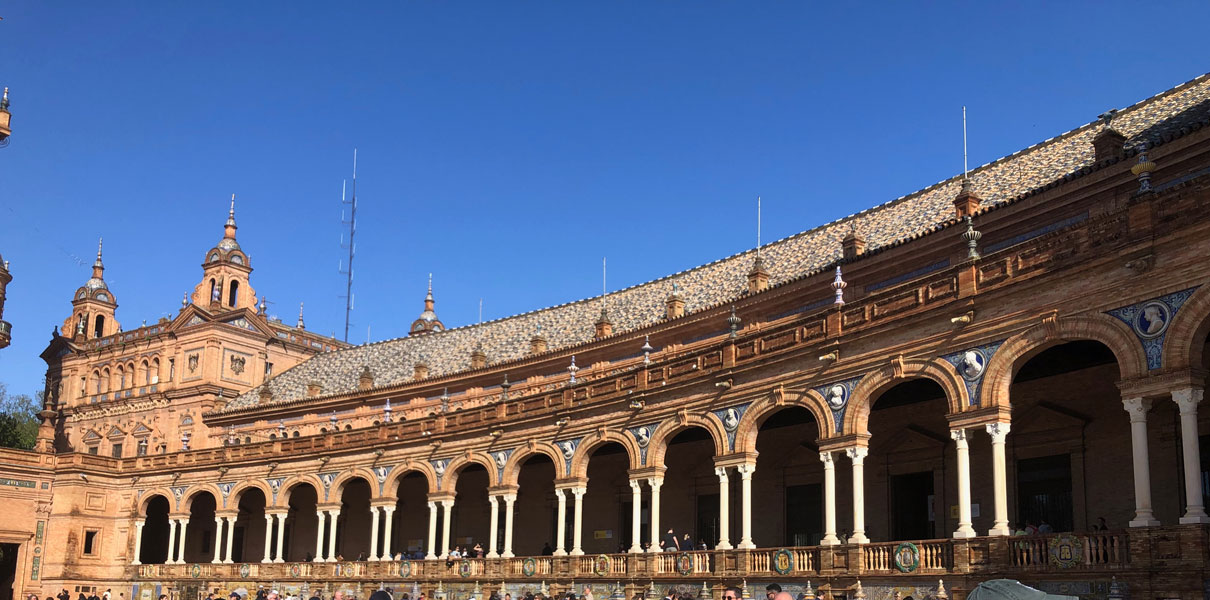
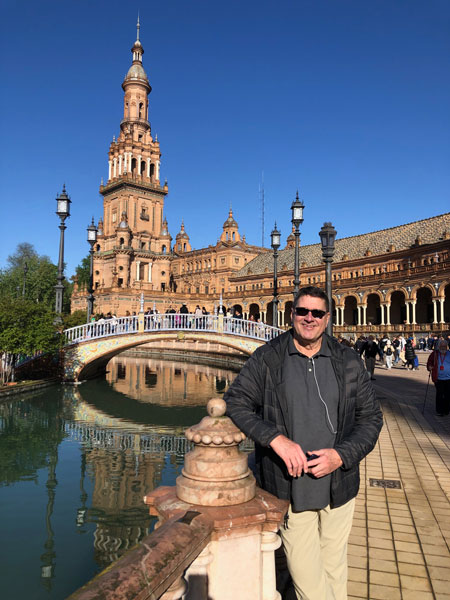
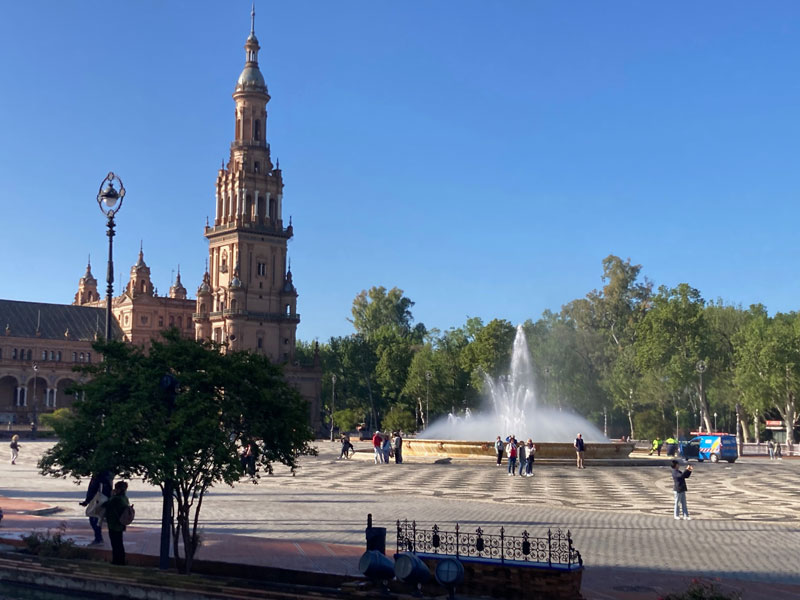
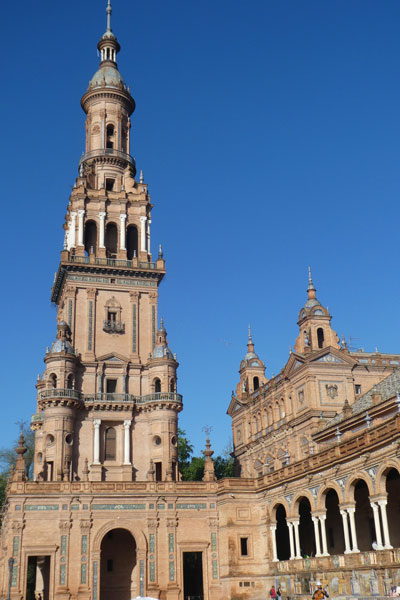
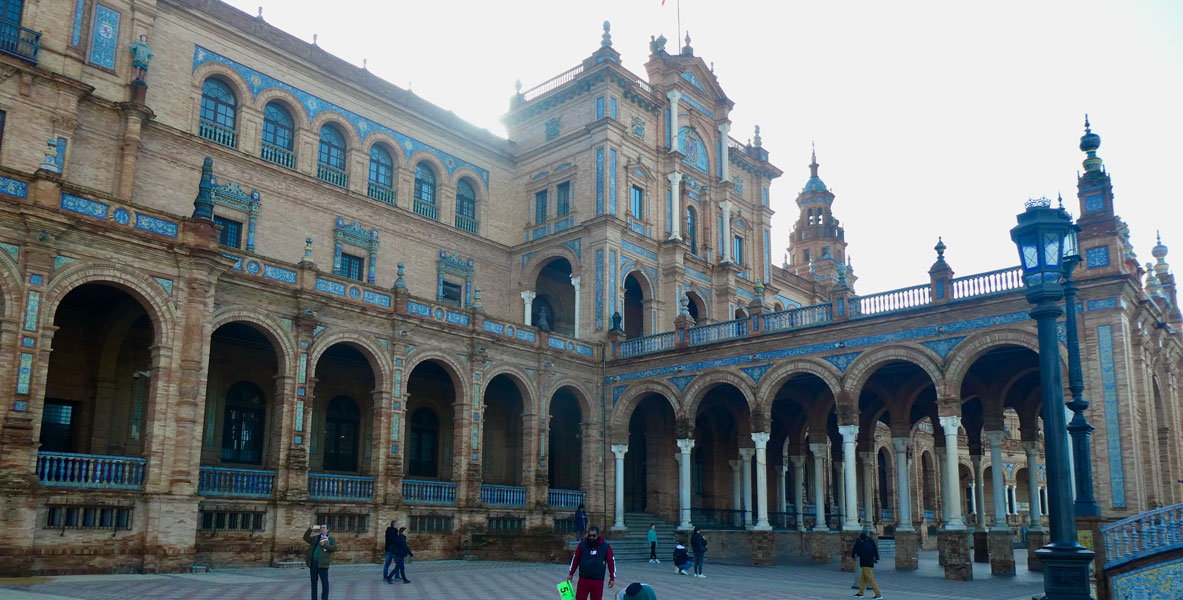
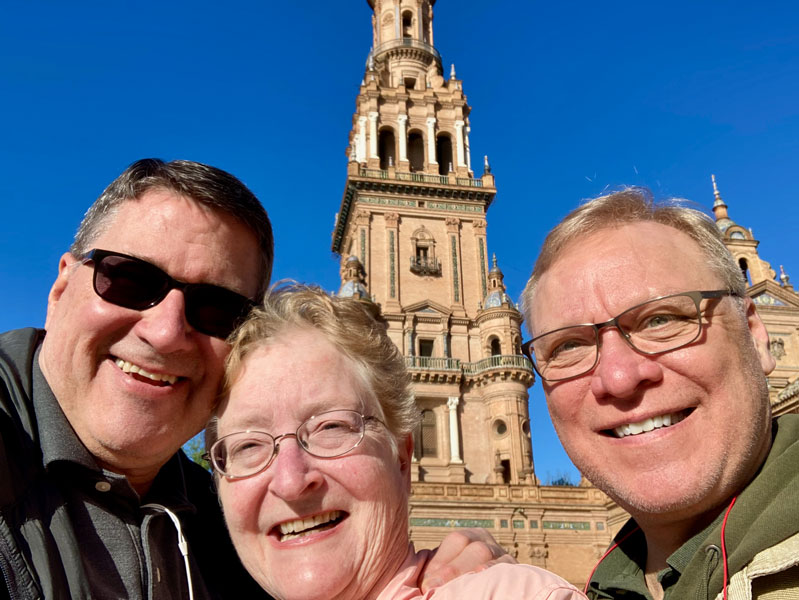
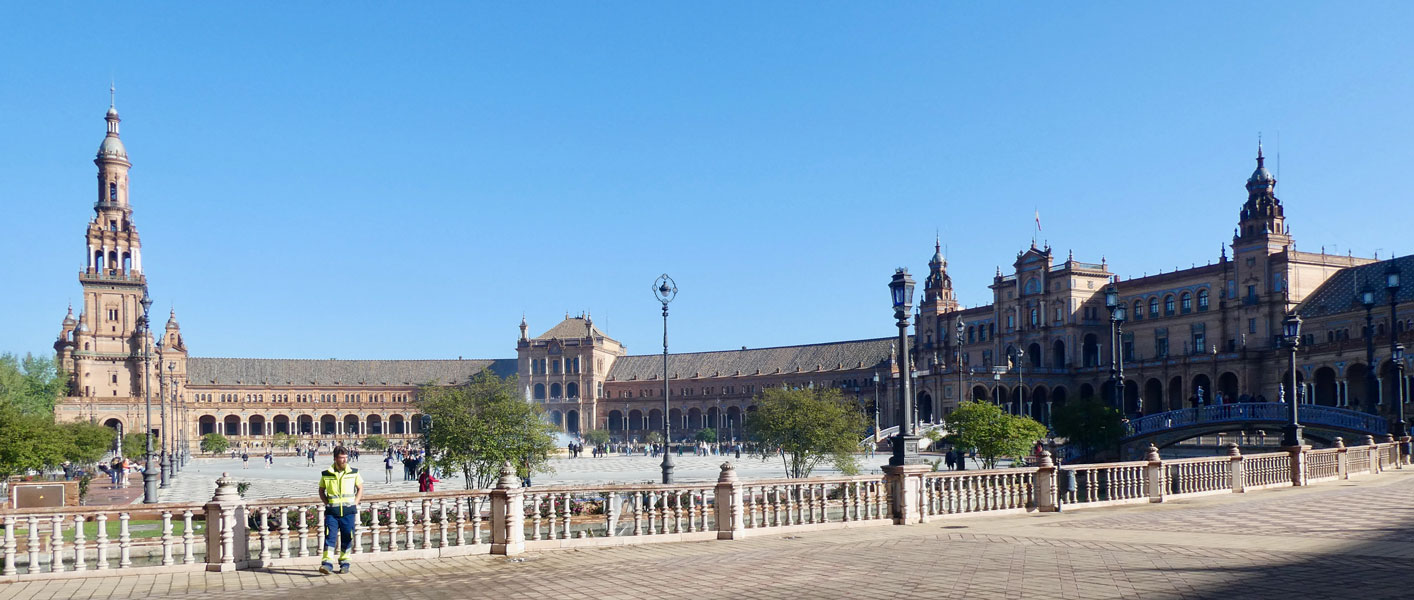
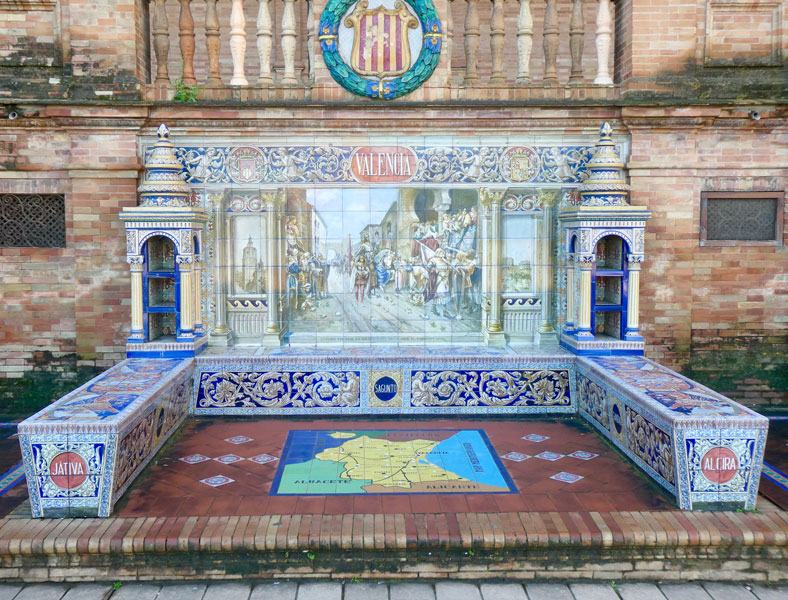
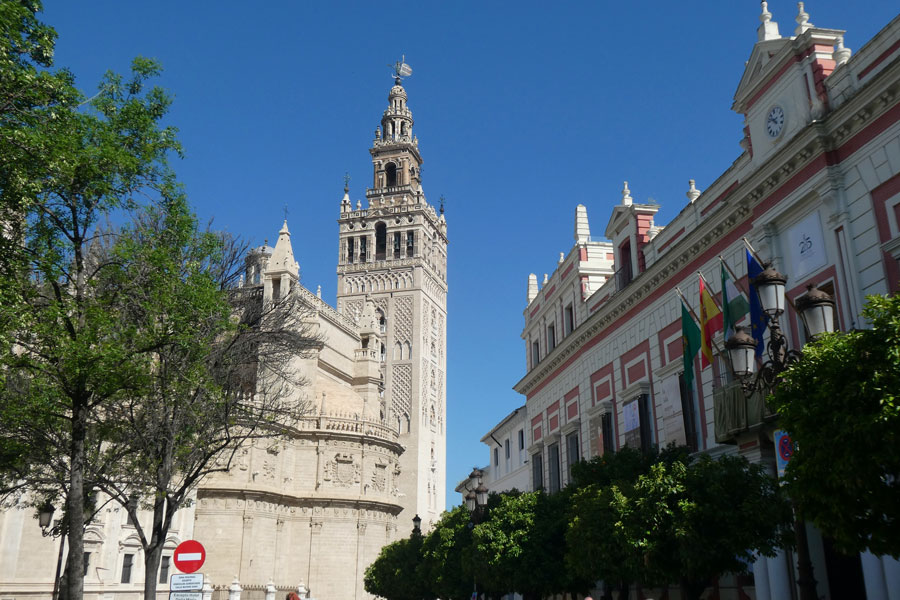
But, as beautiful as the plaza was, the real gem of Seville is its cathedral, the final resting place of Christopher Columbus. It is one of the largest cathedrals in the world and holds the title of largest Gothic church. It was built on the site of a former mosque that had been Christianized after the Reconquista. The bell tower, now a favorite symbol of the city, was the original minaret rebuilt and repurposed.
Cathedral exteriors
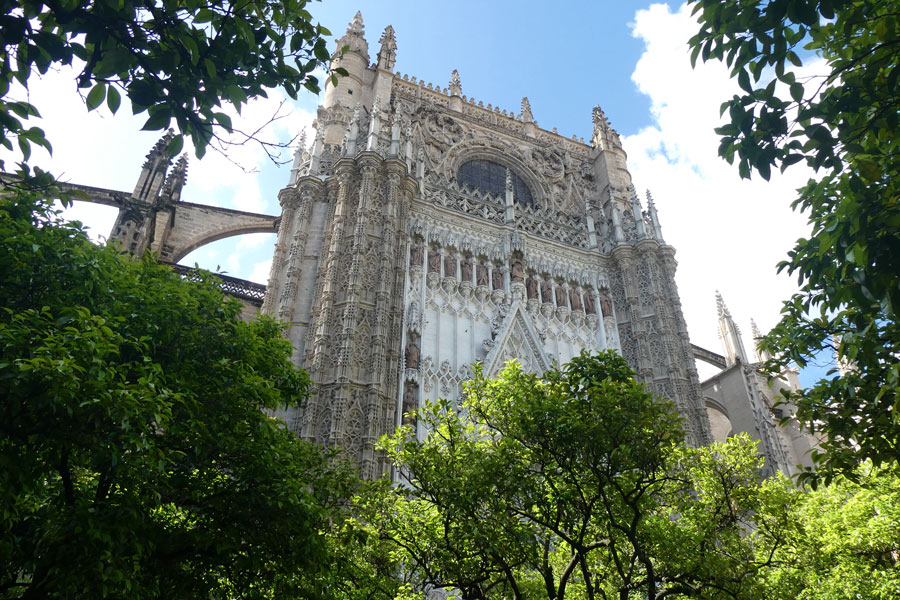
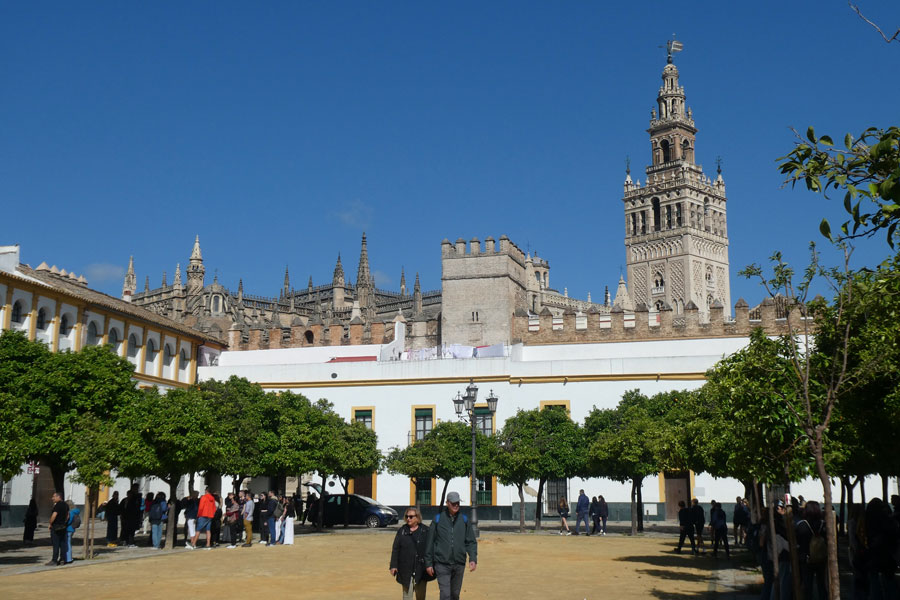
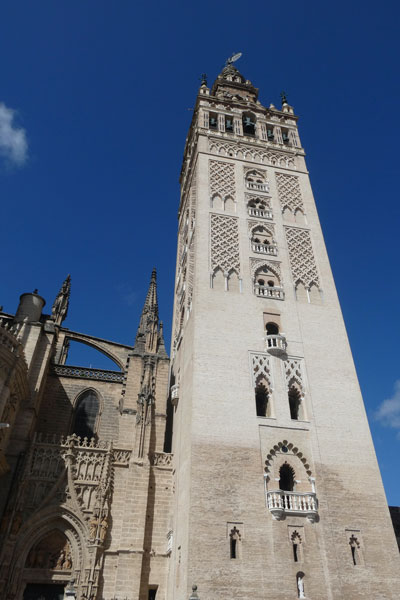
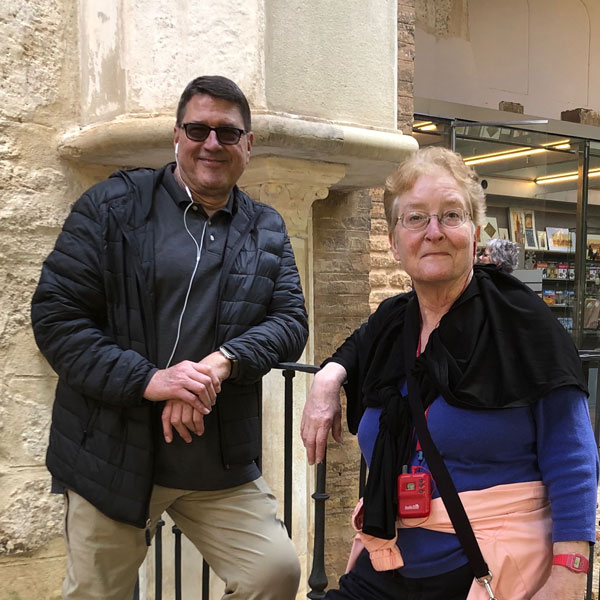
Cathedral interiors
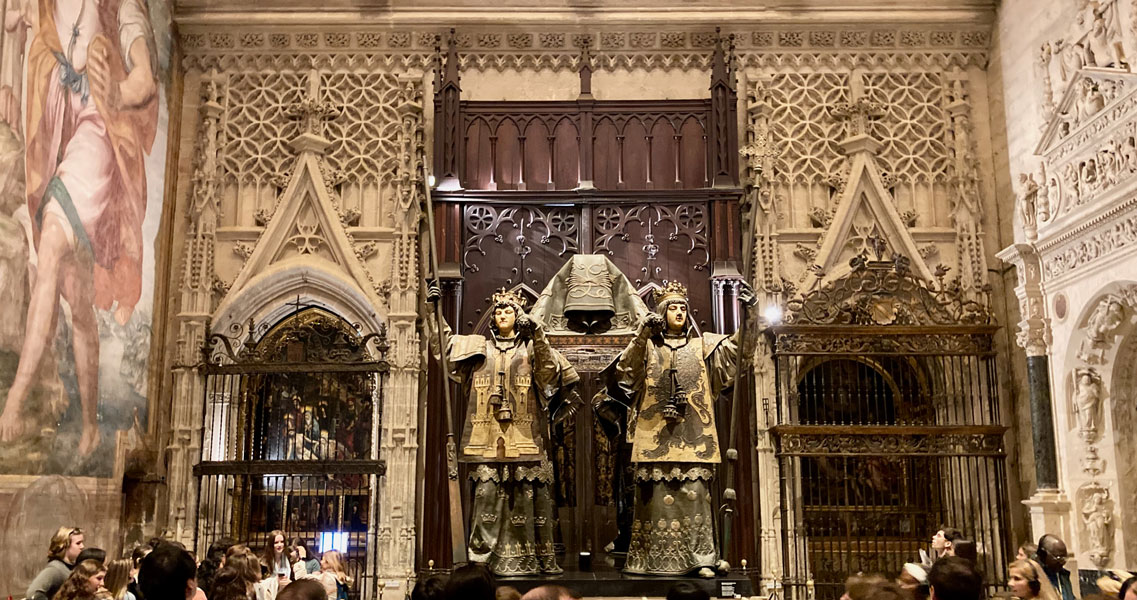
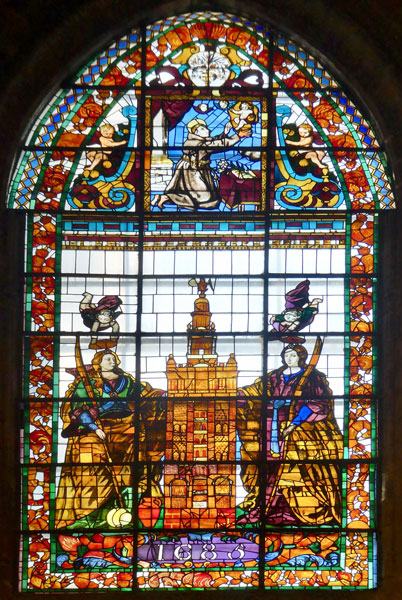
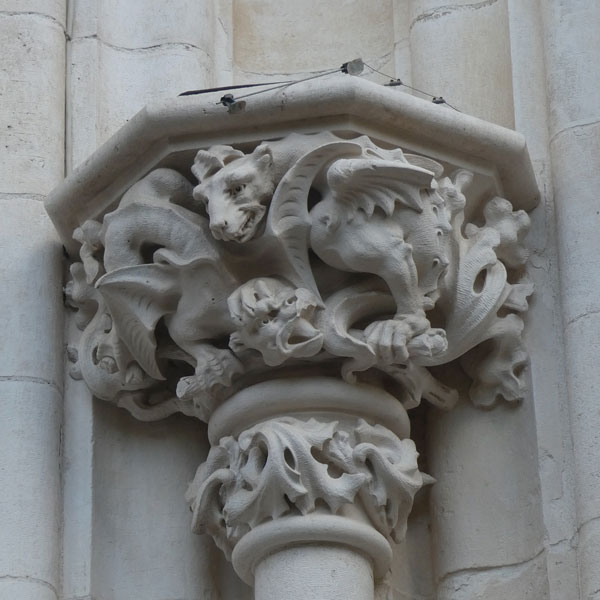
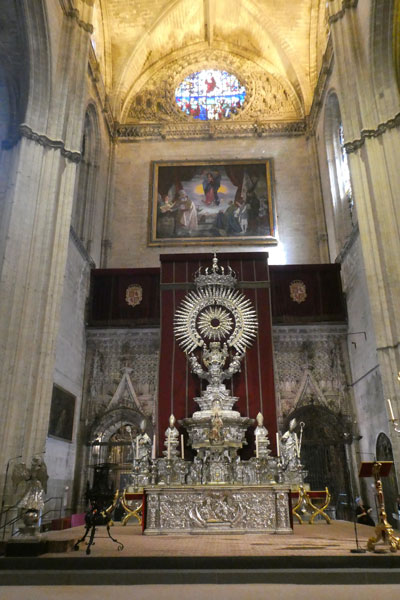
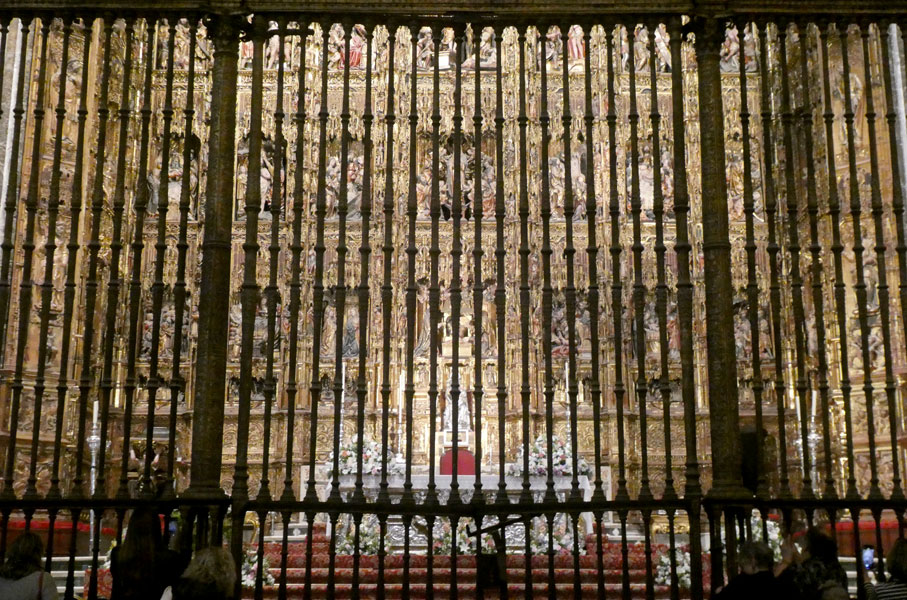
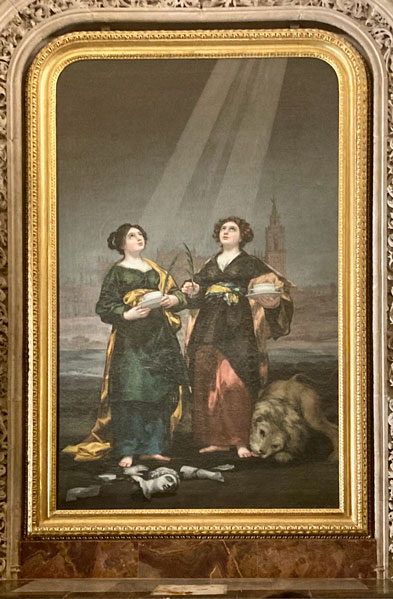
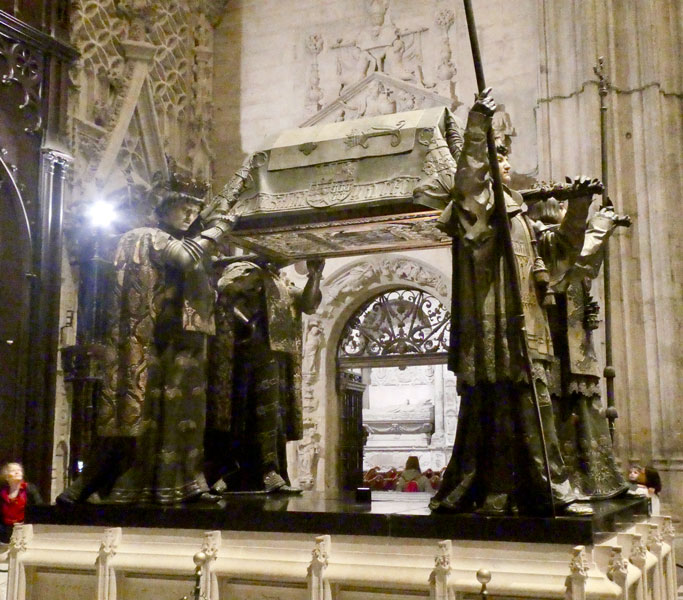
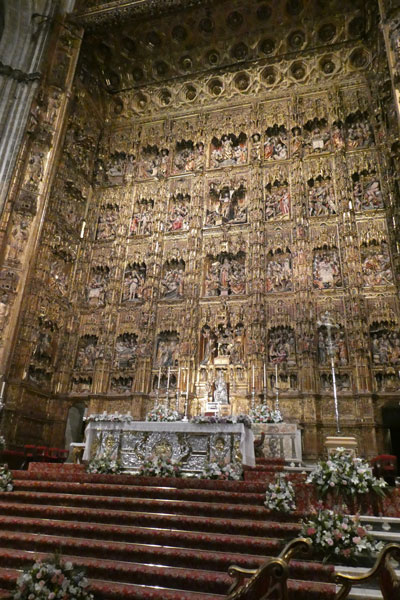
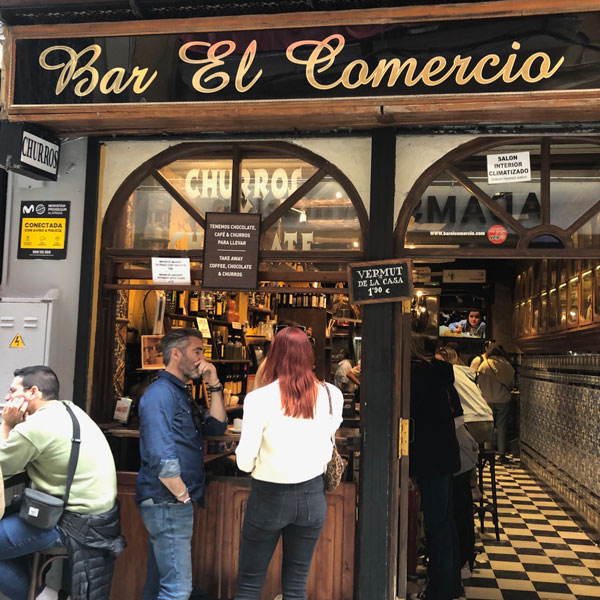
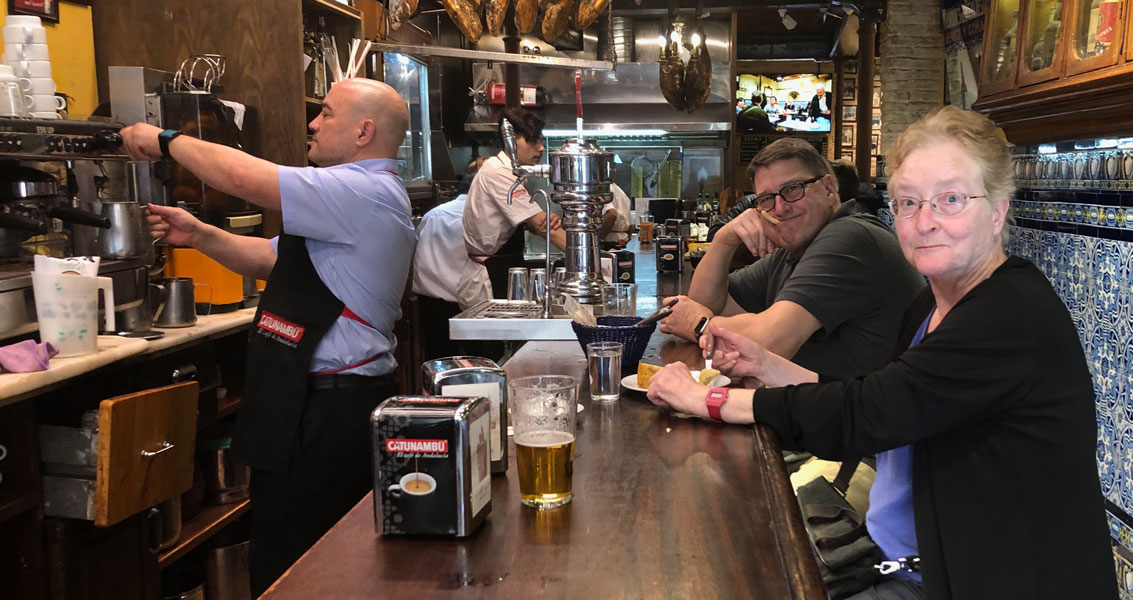
After the church tour, we were set loose on the city for lunch and shopping. Both Peg and I had specific goals. I needed a bookstore to purchase a Spanish-language version of Austen’s P&P (Orgullo y Prejuicio). Peg needed to hit the “crap stores” for souvenir gifts. I succeeded in my quest but then hunger got the better of our girl. (Whitmore Women Syndrome. It’s a thing.) We sought and found a small tapas bar (that specialized in churros & chocolate as well) with a walk-up window and limited bar seating. We parked ourselves within, quieted down our rumbling bellies with some luncheon cuisine and then continued shopping on our way to the group rendezvous point where we finished the Seville walking tour.
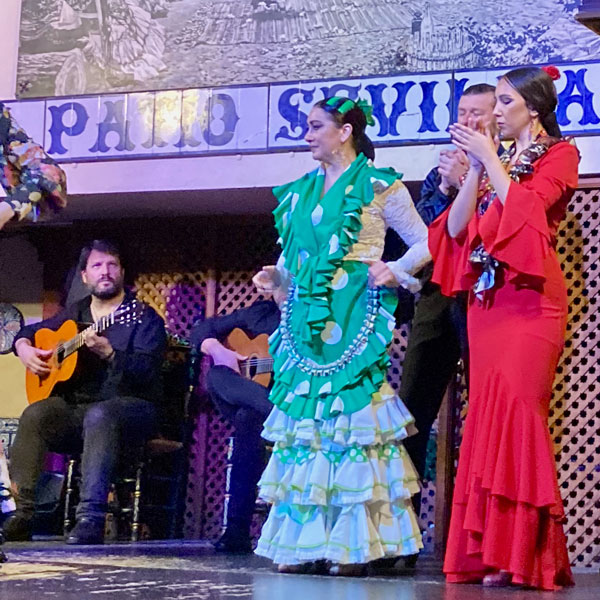
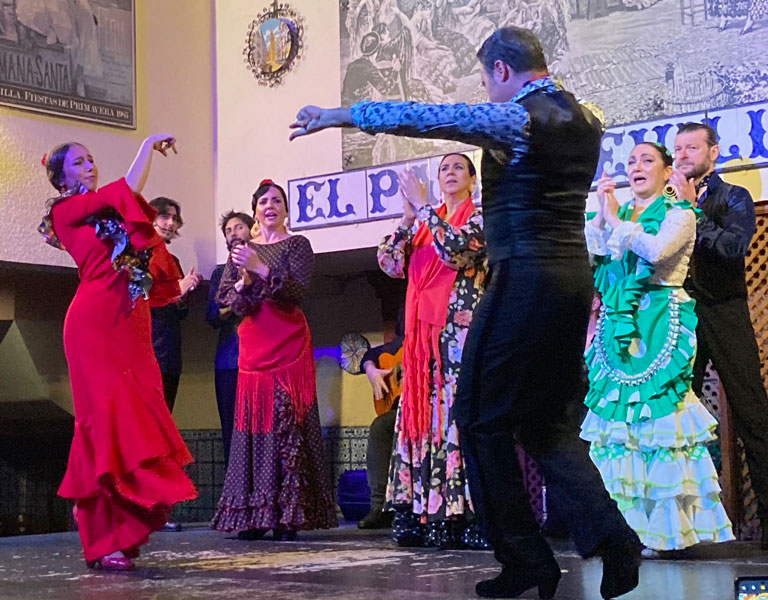
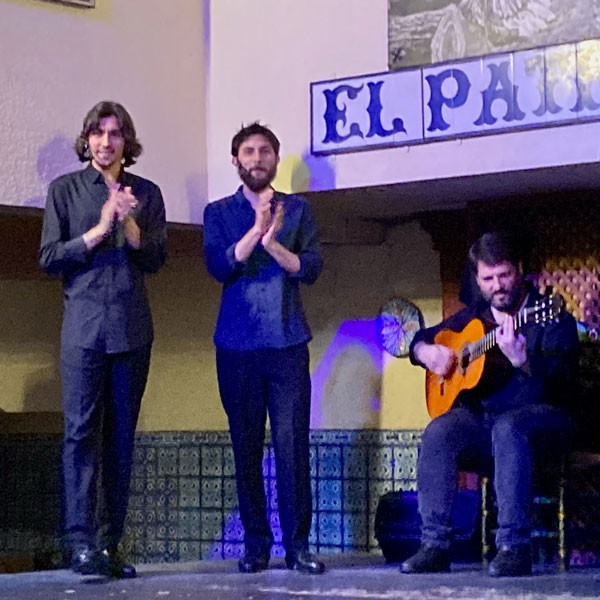
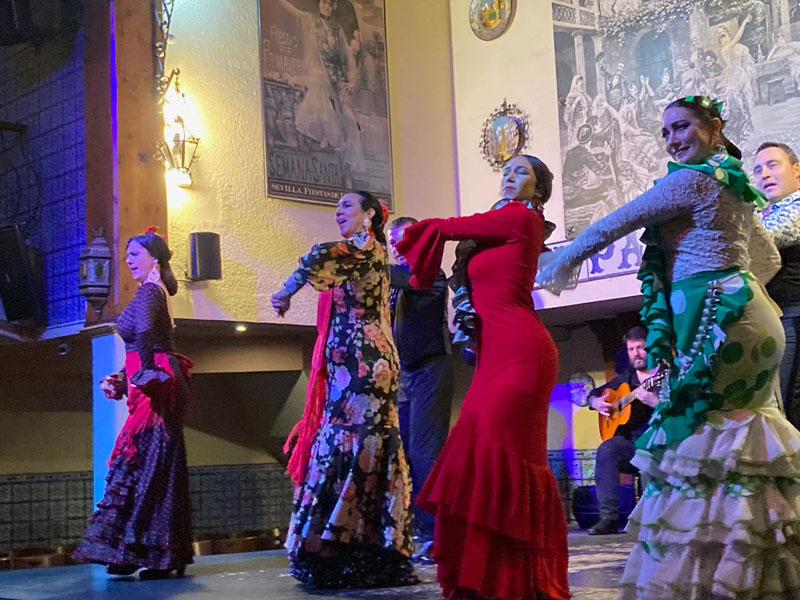
We capped off the evening with…Flamenco!
Upon arrival at the…Flamenco House (?), we were seated in a dining room and performance space with a stage at one end of the room. Hanging on the back wall of the stage were a couple of dresses and a chair holding a few props was set off to one side. After Juanjo got on stage to act as interpreter, one of the performers from the resident flamenco troupe descended a staircase and gave us a mini-lesson in both Spanish traditional and flamenco dancing along with some of the accoutrements used during a performance…such as fans, castanets, hats, hair adornments (combs, flowers) and their made-to-order tap shoes.
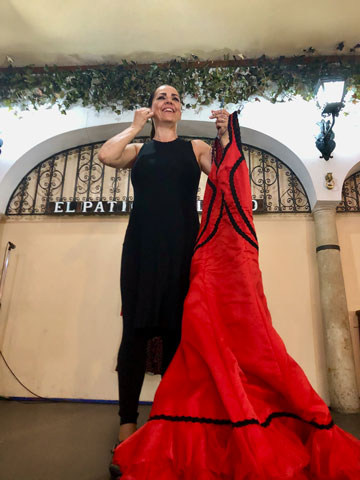
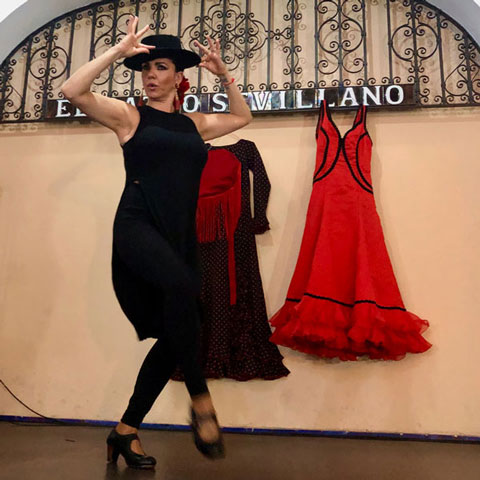
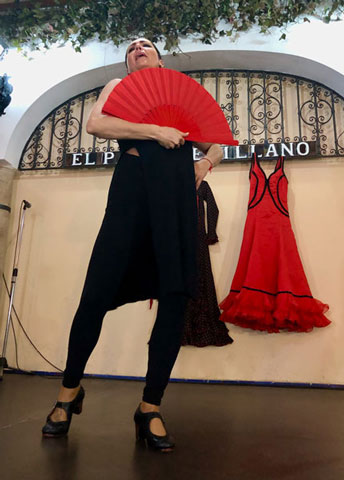
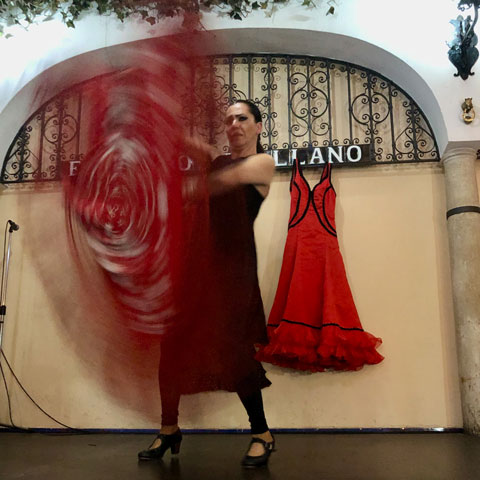
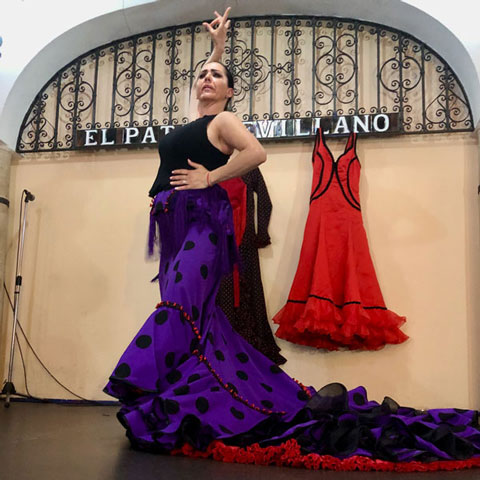
Dinner was next. When finished, we were hustled into an adjacent performance space where the rest of tonight’s audience had already been assembled for the show.
Then the dancing began. It opened with some Spanish traditional dance (dancers only) and then moved on to flamenco where male musicians and singers back up the female (and male) dancers. It was spectacular.
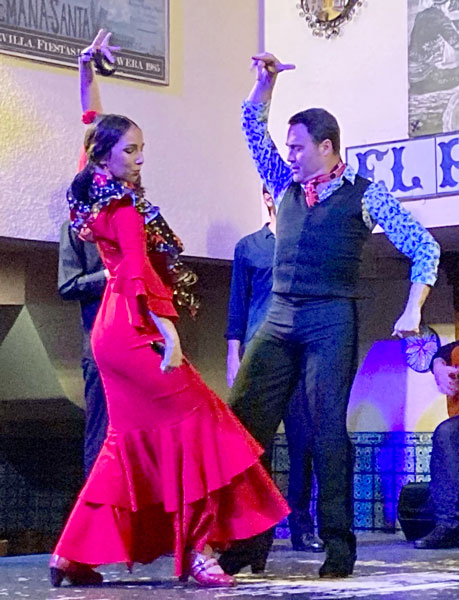
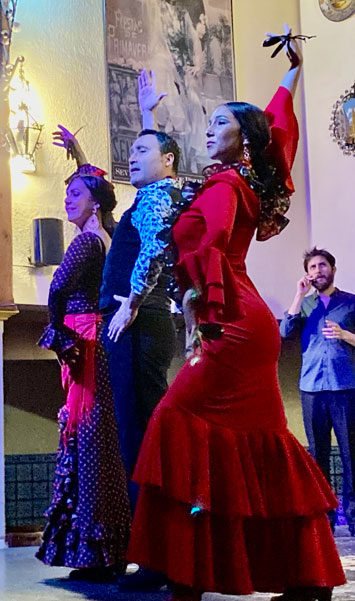
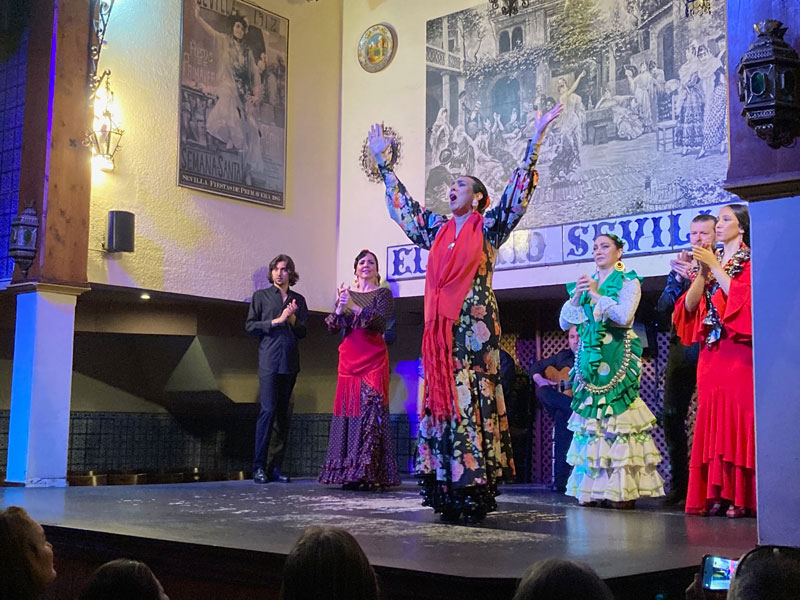
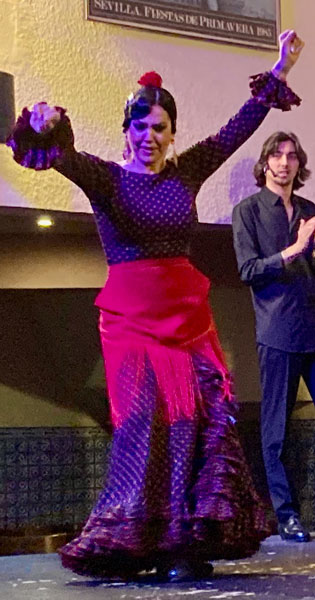
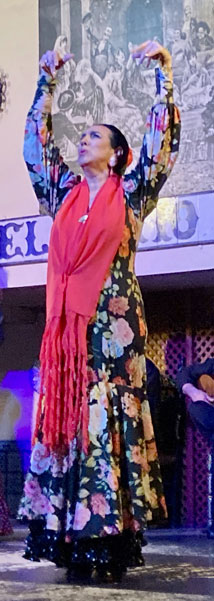
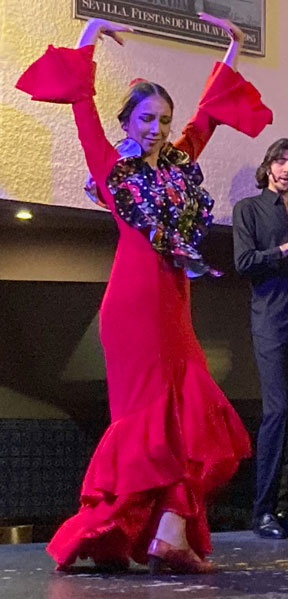
After the invigorating performances, we were hustled back onto the bus for the return ride to the hotel.
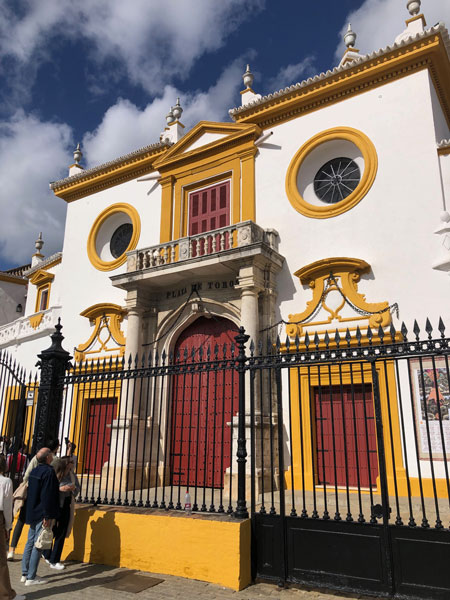
 Spain and Portugal in Depth