
We’ve arrived and the journey begins.
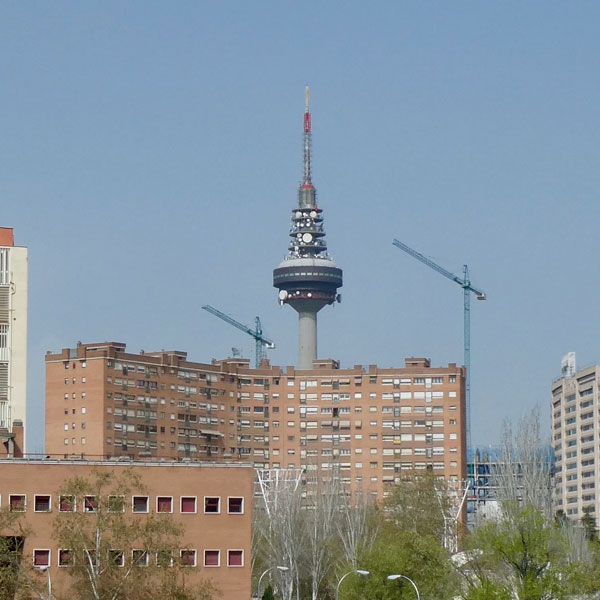
We were able to occupy our rooms on arrival. After unpacking and squeezing in a quick nap, we three caballeros decided to venture forth to get something to eat in the immediate neighborhood…which promised a less-touristy and more genuine Spanish experience. Our hotel is located in a mostly residential area of Madrid. Thus, the surrounding restaurants and stores are patronized mostly by locals…with the occasional hotel guests like us. So off we went to eat like a native.
Eventually, we opted for the al fresco experience, dining outdoors at a small corner restaurant up the street from the hotel. (Oh, and I do mean “up” literally. There was a gentle but relentless upward slope to the street as we walked. I’m not sure if we chose this restaurant for the attractive menu or due to our exhaustion from the climb.) We all ordered the same cold-cut meats’n’slaw sandwich served with papatas de casa. Delish! (Although I was the only one to actually clean their plate.)
Our hunger sated, we returned to the hotel, on a thankfully-downhill trajectory, and gathered with the rest of our tour group for refreshments and a tour meeting with our Program Director, Juanjo. Interestingly, he is a native son (along with Picasso and Antonio Banderas) of Málaga, one of our future stops.
Introductions were made, some plans were solidified, and we broke up until a neighborhood walk scheduled to take place a little after 7 PM.
We joined Juanjo and the others until it was time for us to break away and head for the Museo Nacional Centro de Arte Reina Sofía, Spain’s national museum of 20th century art and the final permanent home of Picasso’s (and the world’s) most famous cubist painting, Guernica. I’d gotten us free tickets for the final two hours that the museum was open.
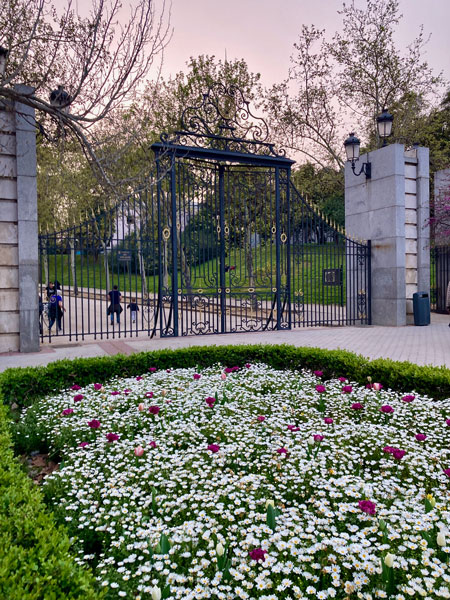
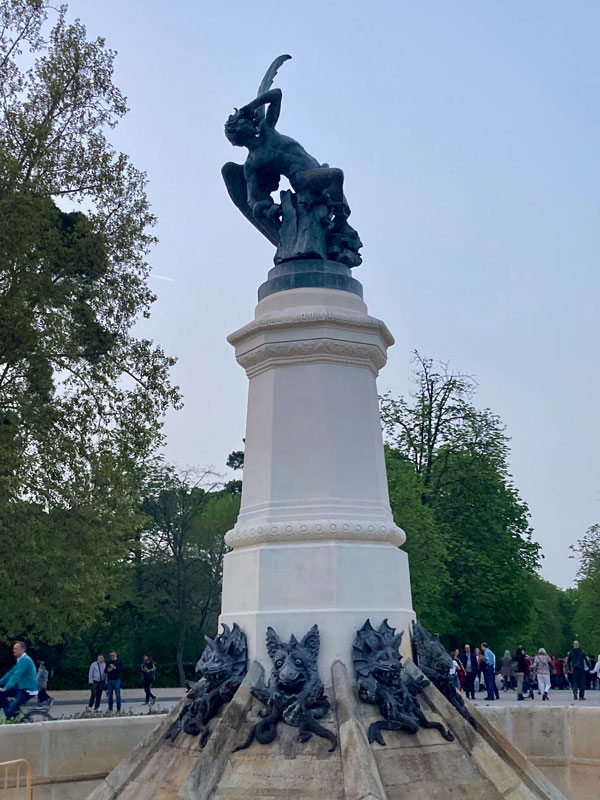
To reach the museum, we had to traverse El Retiro Park along a small section of of its southern flank. We entered at the Gate of the Baby Jesus, where spring had sprung in a flowerbed of small white flowers with random tulips popping up throughout. Further into the park, we happened on the only statue in the world dedicated to Lucifer: the Fountain of the Fallen Angel. Unfortunately, due to the ongoing drought, the fountain itself was dry.
Emerging from the park, we found ourselves in what can only be described as Madrid’s Times Square–times two! Dominating the area was the Madrid train station, with a lit cast-iron and glass arched facade that was, unfortunately, behind a corrugated metal fence concealing construction work. However, not to be defeated by a temporary obstruction, the building was massive enough to remain a highly visible backdrop to the frantic urban dance that was occurring on the surrounding streets and sidewalks.
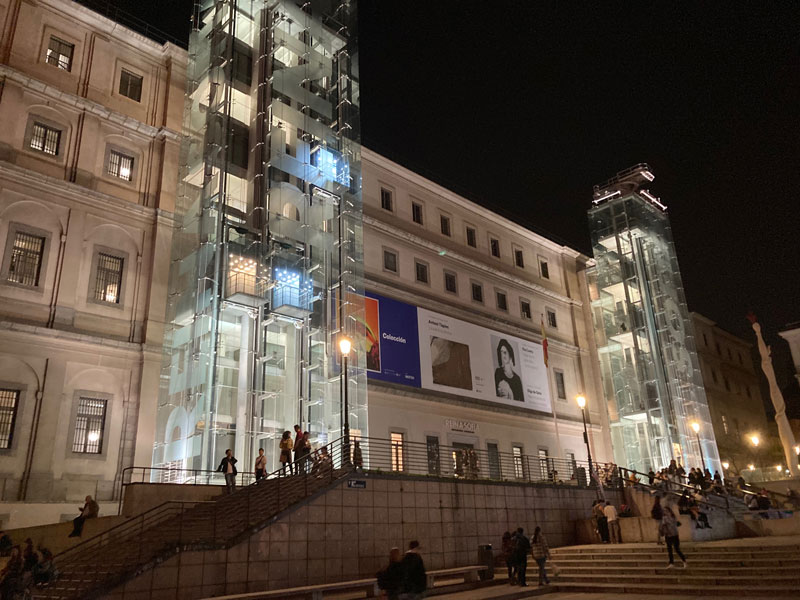
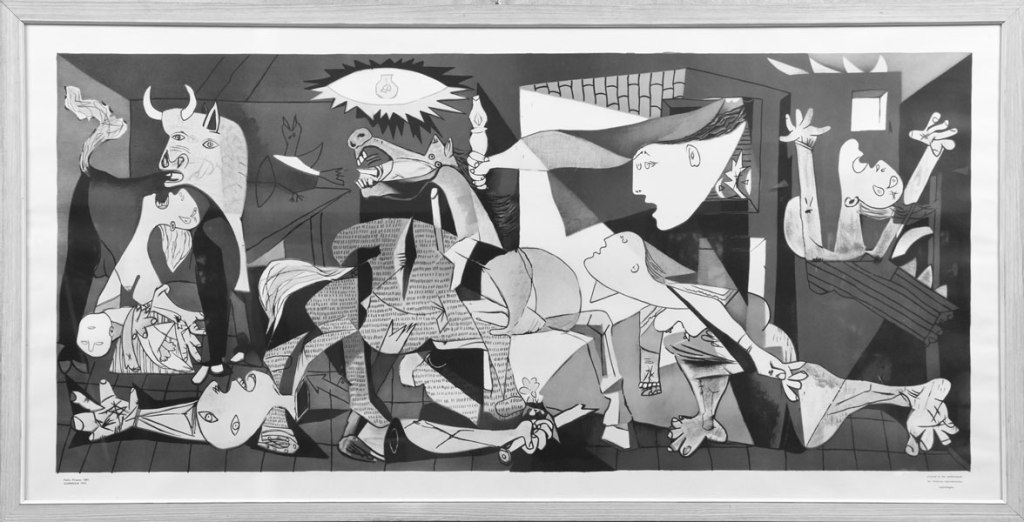
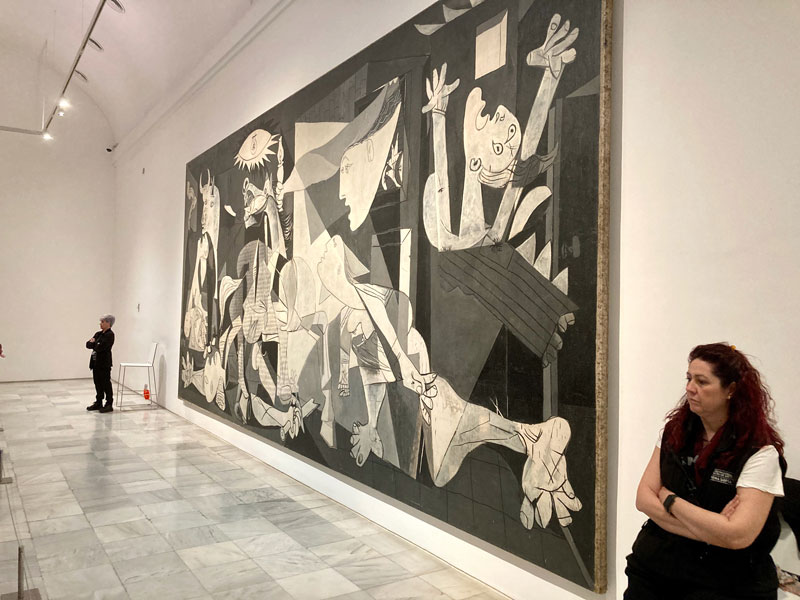
Then, through all the surrounding congestion, Reina Sofía‘s distinctive elevator towers signaled that we had reached our destination. We were here to see Picasso’s Guernica (1937) and its journey to this museum is a story in itself.
In 1937, Picasso was commissioned to create a mural for the Spanish Pavilion at the Paris International Exposition. However, he was struggling for inspiration. Then on April 26, 1937, the town of Guernica was bombed by Nazi Germany and Fascist Italy at the request of the Franco’s Nationalists during the Spanish Civil War. This, history’s first aerial saturation bombing of a civilian population, left a deep impression on Picasso. Stirred by this tragic event, the artist began work on the mural in May 1937 and completed it in June. The result? A powerful work that captured the horror and desolation caused by the war.
When the Paris exhibition ended, the painting could not be returned to Spain due to the political climate. Guernica toured Europe to raise support for the republican cause. But in 1939, after Franco’s regime triumphed, Picasso decided to entrust his work to an American museum for temporary custody until the Fascists no longer governed Spain. The piece was entrusted to New York’s Museum of Modern Art (MoMA) for over four decades. It wasn’t until 1981 that Guernica, like democracy itself in 1975, was finally able to return to Spain. Unbeknownst to the passengers on a seemingly routine trans-Atlantic flight, a regular airliner transported the canvas to Spain for the first time on September 10, 1981. Guernica was home.
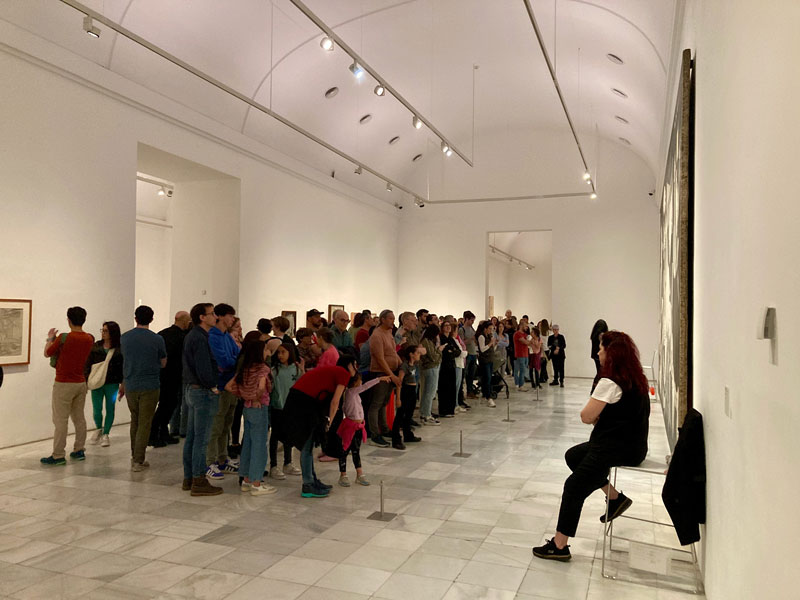
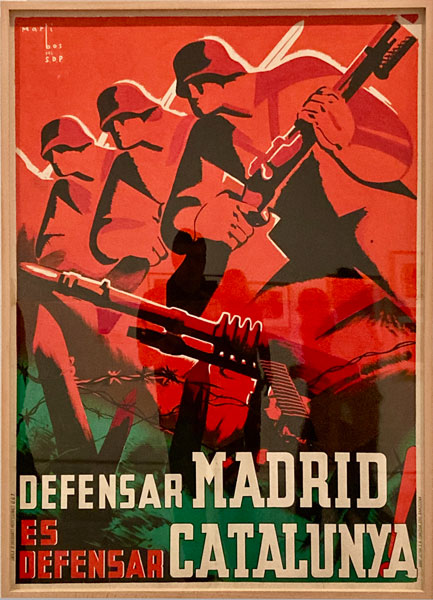
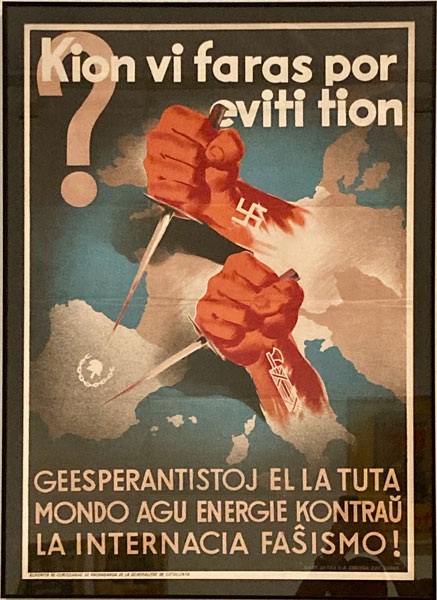
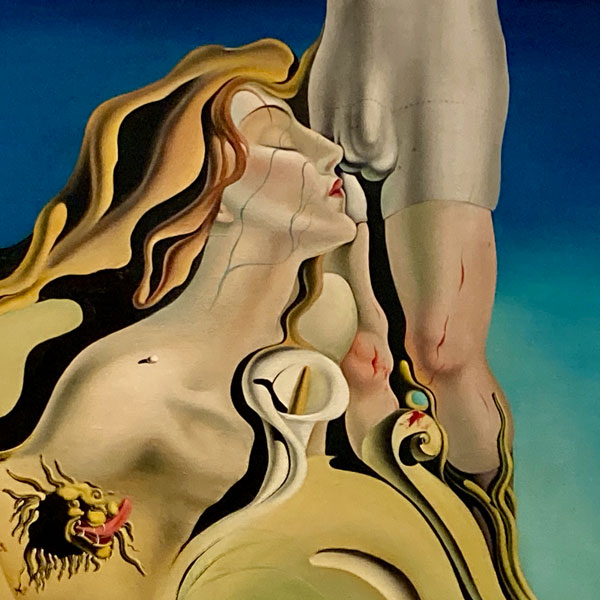
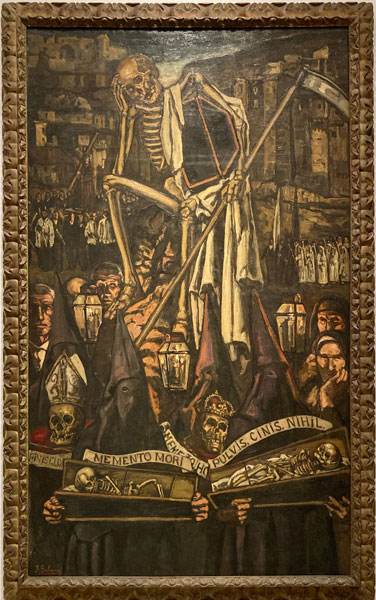
Adjacent galleries were filled with contemporary socialist and fascist propaganda posters as well as strange and intriguing works that caught my eye. Here are some of my faves.
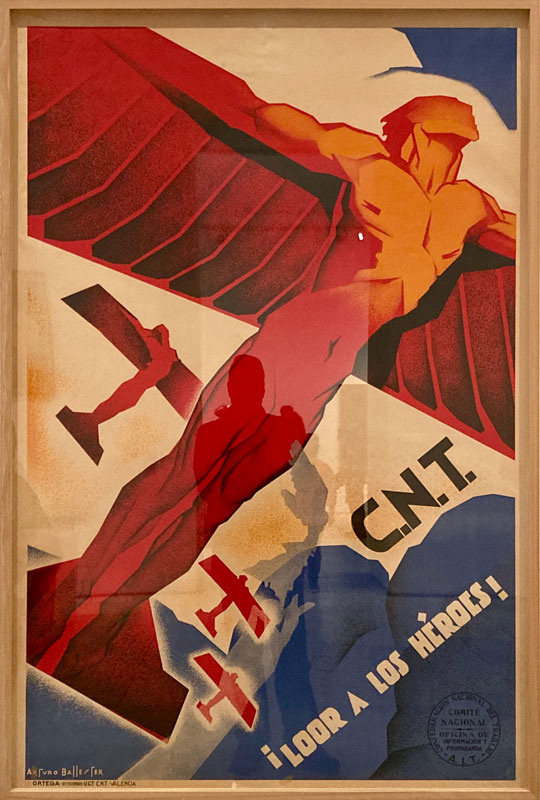
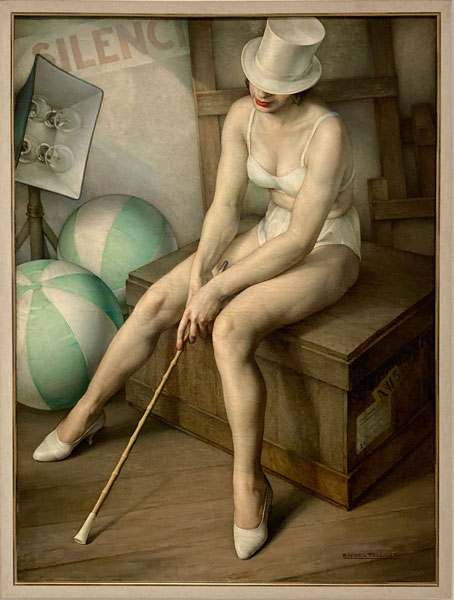
It was a long day. We hailed a cab for the return trip, stopping at a grocery store for some vittles before calling it a night.
 Spain and Portugal in Depth
What an exciting day!
LikeLike